
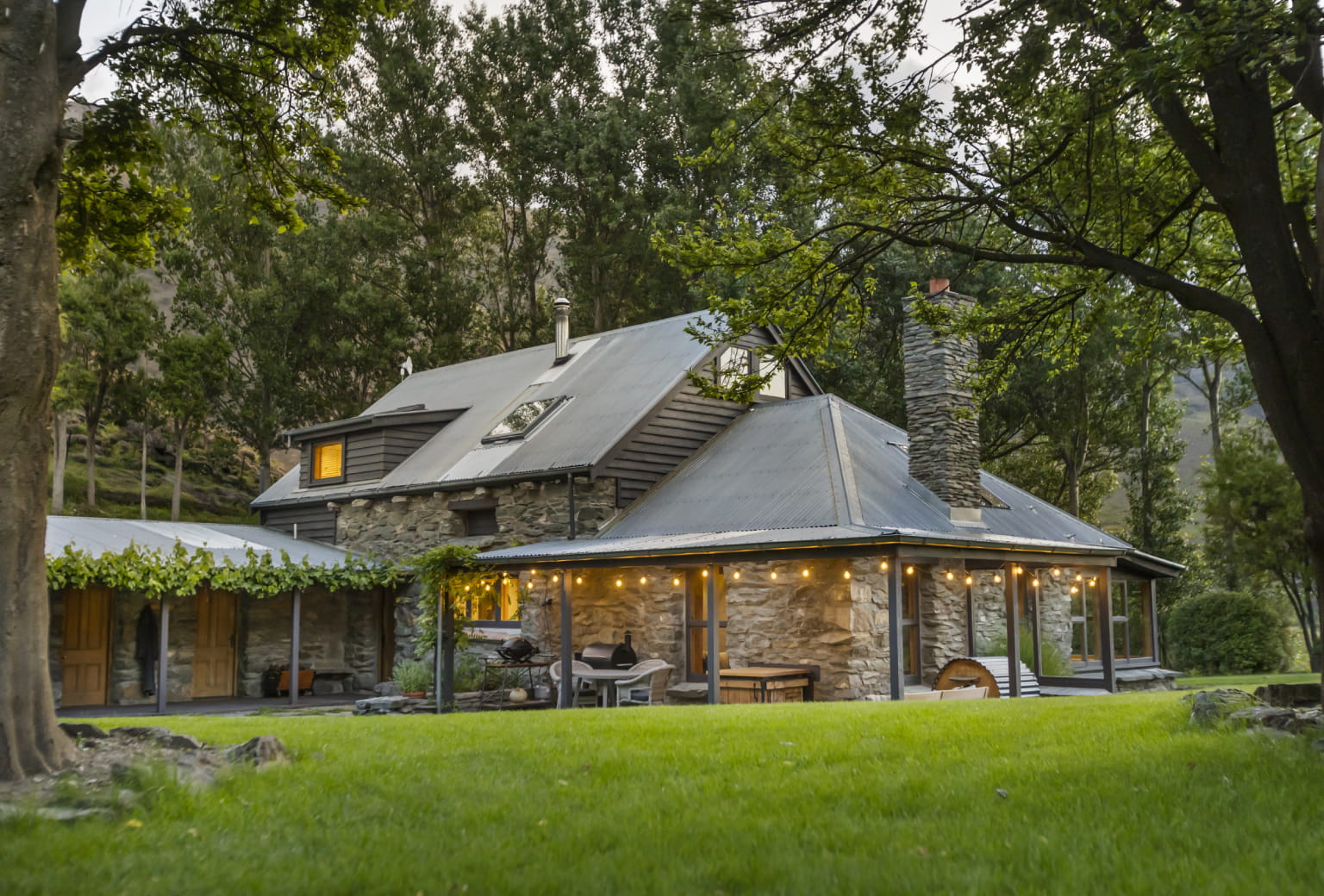
In recent years, the way people think about property ownership has changed significantly. Buying a home or investing in real estate is no longer viewed as the final definition of success. Instead, property ownership is increasingly seen as a foundation — a stable base that supports broader lifestyle goals shaped by experiences, exposure, and long-term thinking.
Modern property buyers are not just focused on square footage or location. They are asking deeper questions about quality of life, personal growth, and how their financial decisions align with the kind of future they want to build. This shift has naturally connected real estate decisions with lifestyle choices such as travel, global exposure, and cultural awareness.
Property Ownership as a Starting Point, Not the End Goal
For most people, property remains one of the most important financial assets they will ever own. It provides security, stability, and a sense of permanence. However, once this foundation is in place, priorities often evolve.
Today’s property owners are more likely to:
Seek balance between work and personal life
Invest in experiences that offer long-term value
Explore different cultures and regions
Think beyond material ownership
Many buyers begin their journey by exploring residential and investment property options that match their long-term lifestyle goals rather than focusing only on short-term returns.
How Travel Influences Lifestyle and Perspective
Travel plays a powerful role in shaping how people think about life, priorities, and long-term planning. Exposure to different cultures, communities, and living environments broadens perspective in ways that daily routines often cannot.
When people travel, they begin to observe:
Different approaches to community living
Varied standards of housing and infrastructure
How lifestyle choices impact wellbeing
The balance between development and sustainability
These experiences often influence what people value when choosing property — whether it’s quieter neighbourhoods, access to open spaces, or well-planned communities similar to those they’ve encountered elsewhere.
Lifestyle Aspirations Go Beyond Property Location
Earlier, property decisions were primarily driven by proximity to workplaces, schools, and transport. While these factors still matter, lifestyle aspirations now play a much bigger role.
Modern buyers increasingly look for:
Wellness-focused living environments
Locations that support flexible work or travel
Communities aligned with personal values
Long-term comfort rather than immediate convenience
Many people researching real estate opportunities in growing cities are also considering how their homes will support their lifestyle over the next 10–20 years.
The Role of Experiential Travel
Not all travel experiences create the same impact. Short, rushed trips may offer temporary enjoyment, but immersive travel tends to leave lasting impressions. Experiencing local cultures, traditions, and environments encourages reflection and deeper understanding.
Many travellers today prefer working with a tour operator that focuses on meaningful experiences, cultural understanding, and long-term value rather than fast-paced sightseeing.
Such journeys often reshape how people think about:
Simplicity and mindful living
Connection with communities
Respect for nature and heritage
Personal priorities and long-term goals
These insights frequently influence decisions made back home — including how much space people need, what kind of neighbourhood they prefer, and how they define comfort.
Travel, Mindset, and Long-Term Planning
One of the most valuable outcomes of travel is the shift in mindset it creates. Seeing different housing styles, settlement patterns, and community planning approaches helps individuals reassess their own expectations.
For example:
Sustainable housing models abroad can inspire eco-conscious property choices
Slower-paced regions can highlight the importance of balanced living
Mixed-use developments can influence investment thinking
Experiential journeys across regions such as the Himalayas and South Asia often help individuals rethink lifestyle priorities and long-term life planning, especially when aligning property decisions with personal wellbeing.
Industry Awareness and Informed Choices
Beyond personal travel, industry platforms also play an important role in shaping awareness. They help people understand responsible tourism, cultural sensitivity, and emerging global trends.
Industry platforms such as an adventure travel show also play a key role in educating travellers about responsible tourism, experiential journeys, and global travel trends.
Similarly, access to reliable property information platforms helps buyers make informed real estate decisions by understanding market trends, location advantages, and future growth potential.
Redefining Success in Modern Living
Success today is no longer measured solely by ownership or financial milestones. It is increasingly defined by a balance of:
Financial security
Personal freedom
Meaningful experiences
Quality of everyday life
Property ownership provides stability, while experiences such as travel add depth and perspective. Together, they form a more thoughtful approach to modern living.
Conclusion
The connection between property ownership and lifestyle is evolving. Homes are no longer just physical assets; they are starting points for a larger life journey shaped by values, experiences, and long-term vision.
As people continue to invest in both real estate and personal growth, the relationship between property decisions and experiential living will only grow stronger. For modern property buyers, true success lies not just in what they own, but in how they live.

Leave a Comment